

The number of English-taught degree programs across Europe has nearly tripled since 2014. Computer science has been part of that shift, though growth has been uneven across the continent, with some countries expanding English-taught offerings aggressively while others have recently begun pulling back amid domestic capacity pressures.
Even with that growth, most computer science instruction in Europe still happens in the local language, which narrows the real options considerably for students searching for top universities for computer science in Europe that teach entirely in English.
This article covers the universities that meet that bar, related programs in information engineering and ICT for students open to a broader search, and what the application process looks like for international students.
At a Glance: English-Taught CS Programs in Europe
|
University |
EU/EEA Fee (annual) |
Non-EU Fee (annual) |
|
Delft University of Technology |
€2,601–€2,694 |
€17,310–€19,906 |
|
Eindhoven University of Technology |
€2,694 |
€18,600 |
|
Sapienza University of Rome |
€1,000–€2,924 |
€300–€1,500 |
|
Trinity College Dublin |
€7,332 |
€29,570 |
|
Vrije Universiteit Amsterdam |
€2,694 |
€19,110 |
|
University College Dublin |
€7,574 |
€29,500 |
|
University of Helsinki |
€0 |
€13,000 |
Computer Science Universities in Europe with English-Taught Bachelor’s Programs
Fully English-taught bachelor’s degrees in computer science remain rare across Europe. Most universities still teach the subject in the local language, reserving English instruction for the graduate level.
The universities below meet a single standard: computer science as the core discipline of the bachelor’s degree, taught entirely in English from the first semester through graduation, at an institution ranked inside the top 200 of the QS World University Rankings by Subject for Computer Science.
This is neither a ranking nor an endorsement of one institution over another; there are other top computer science schools in Europe beyond what is covered here.
1. Delft University of Technology (TU Delft) | Netherlands

For students still working out where to study computer science in Europe, TU Delft stands out for its research-intensive engineering environment and genuinely international student body, with nearly 30% of students coming from outside the Netherlands.
The BSc in Computer Science and Engineering is fully taught in English on the main Delft campus. Because demand is high, admission runs through a strict numerus fixus (enrollment cap) with a formal selection procedure rather than open enrollment. Delft itself is a compact, historic student city conveniently positioned between The Hague and Rotterdam.
- QS Computer Science Ranking (2026): #50
- Tuition Fee (EU/EEA): ~€2,601–€2,694/year
- Tuition Fee (Non-EU): ~€17,310–€19,906/year
- English Programs:
- BSc Computer Science and Engineering
2. Eindhoven University of Technology (TU/e) | Netherlands
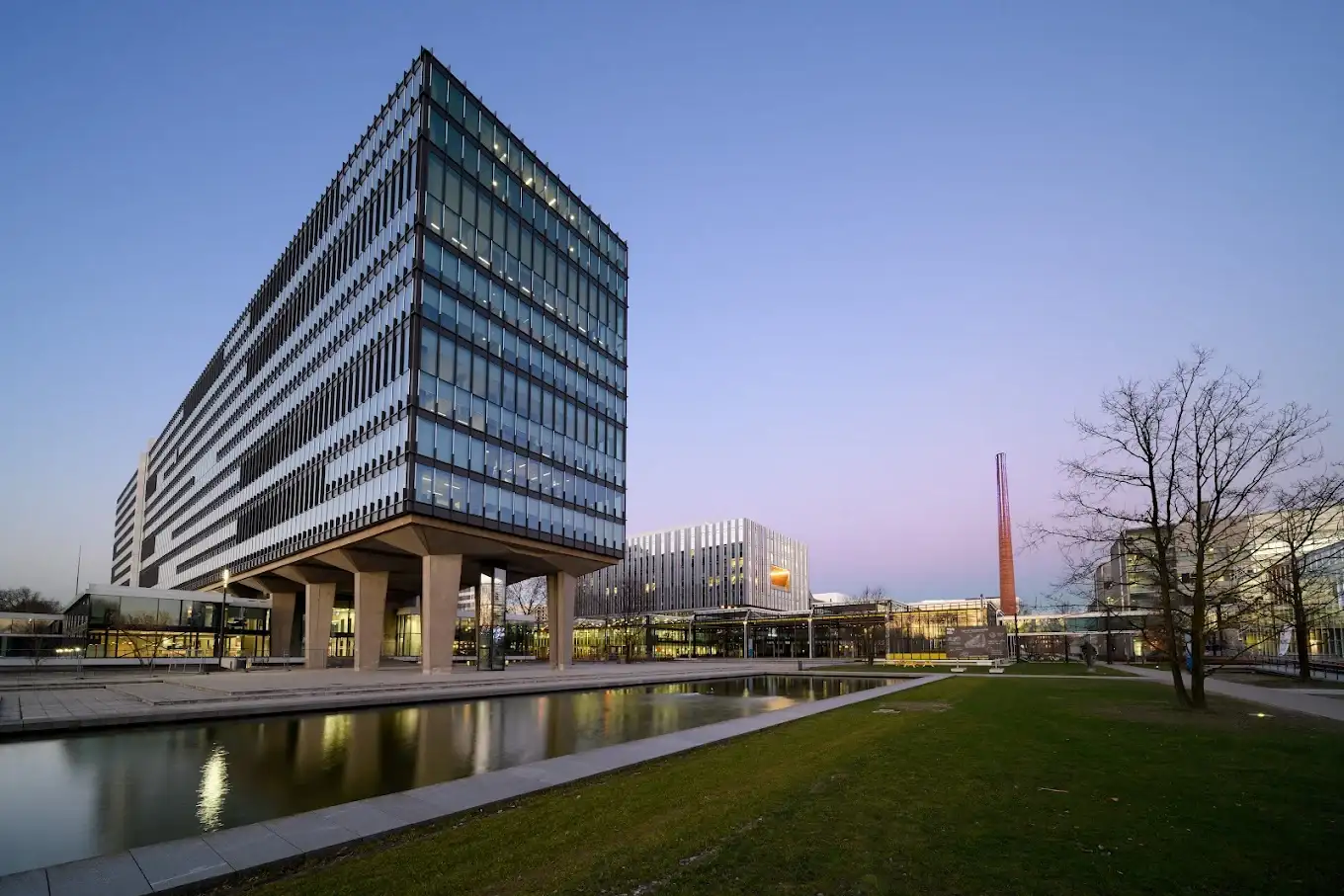
TU/e anchors “Brainport Eindhoven,” one of the most concentrated high-tech industry clusters in the world and home to companies like ASML, Philips, and NXP. It’s a strong pick for CS students who want direct industry exposure built into their degree.
The fully English-taught BSc in Computer Science and Engineering is one of TU/e’s most in-demand programs, a reflection of the region’s strong job market. As at TU Delft, admission is capped under a numerus fixus, and applicants must pass a selection test in mathematics and logic before being admitted.
- QS Computer Science Ranking (2026): #111
- Tuition Fee (EU/EEA): ~€2,694/year
- Tuition Fee (Non-EU): ~€18,600/year
- English Programs:
- BSc Computer Science and Engineering
3. Sapienza University of Rome | Italy

Sapienza’s computer science and engineering faculties are active participants in European research networks, particularly in artificial intelligence, machine learning, and data management, making it a strong option for students looking at top universities for computer science in Europe.
The English-taught BSc in Applied Computer Science and Artificial Intelligence is highly interdisciplinary, blending core computing with mathematics, physics, and dedicated AI labs. The program sits within a massive, vibrant campus in the heart of Rome, though students should expect the administrative pace of a very large public Italian institution.
- QS Computer Science Ranking (2026): #72
- Tuition Fee (EU/EEA): ~€1,000–€2,924/year (scaled by ISEE, for students with tax residency or income earned in Italy)
- Tuition Fee (Non-EU): ~€300–€1,500/year (flat fee by country-of-origin income band)
- English Programs:
- BSc Applied Computer Science and Artificial Intelligence
4. Trinity College Dublin (TCD) | Ireland

Trinity’s location gives computer science students a practical advantage: Dublin serves as the European headquarters for Google, Meta, Microsoft, and Stripe, putting students within reach of some of the biggest employers in tech from day one.
Unlike the standard three-year European bachelor’s, Trinity’s BA (Mod) in Computer Science, a BA rather than a BS, runs four years, with the option of an integrated fifth year leading to a Master in Computer Science (MCS) that includes a paid industry internship. Families should weigh Dublin’s high cost of living and tight student housing market as part of the decision.
- QS Computer Science Ranking (2026): #121
- Tuition Fee (EU/EEA): €7,332/year (€4,832 tuition + €2,500 student contribution)
- Tuition Fee (Non-EU): ~€29,570/year
- English Programs:
- BA (Mod) Computer Science (4-year program, optional 5th-year MCS)
5. Vrije Universiteit Amsterdam (VU Amsterdam) | Netherlands

VU Amsterdam offers a dedicated BSc in Computer Science taught fully in English, based in a city with one of Europe’s most active startup and scale-up ecosystems. Nearly 30% of the university’s student body is international, and the program sits within VU’s Faculty of Science, with research spanning artificial intelligence, computer systems and security, and theoretical computer science.
Amsterdam’s density of tech companies and internship opportunities makes it a practical choice for students comparing top universities in Europe for computer science by career access as much as by academics. The city’s cost of living, particularly housing, is something families should factor in early.
- QS Computer Science Ranking (2026): #160
- Tuition Fee (EU/EEA): €2,694/year (2026–27 statutory fee)
- Tuition Fee (Non-EU): ~€19,110/year
- English Programs:
- BSc Computer Science
6. University College Dublin (UCD) | Ireland

UCD is Ireland’s largest university and holds the country’s #1 position in the QS World University Rankings (2026), with a modern campus just outside central Dublin. Like Trinity, it benefits from Dublin’s concentration of global tech employers, though UCD’s scale means a wider range of CS research groups and elective pathways than smaller departments can offer.
The BSc in Computer Science is a 4-year Honours degree, separate from UCD’s common-entry Engineering Science program. Students specialize within computer science across the later years of study. As with Trinity, Dublin’s cost of living and housing market should be factored into the decision early.
- QS Computer Science Ranking (2026): #171
- Tuition Fee (EU/EEA): ~€7,574/year
- Tuition Fee (Non-EU): ~€29,500/year
- English Programs:
- BSc Computer Science (4-year Honours degree)
7. University of Helsinki | Finland
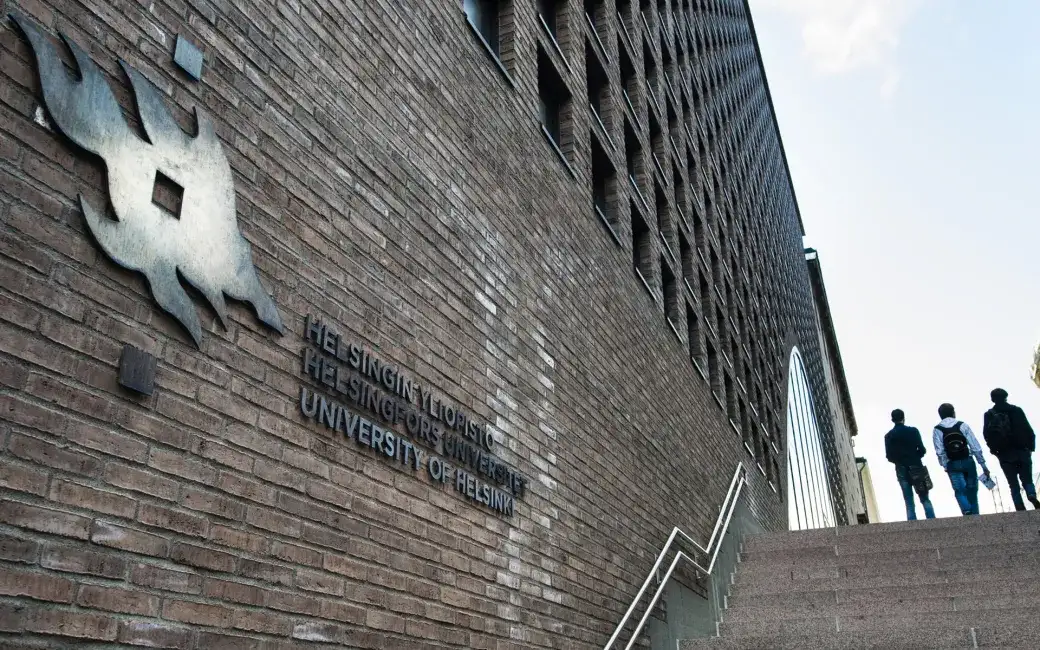
The University of Helsinki offers a BSc in Science with a Computer and Data Science track taught in English, combining core CS training with a growing emphasis on data science and machine learning research. Finland’s tuition-free model for EU/EEA students is a meaningful differentiator, and non-EU fees remain lower than those at comparable Dutch or Irish institutions.
Helsinki’s tech scene, anchored by a strong startup culture and companies built on Nokia’s legacy engineering talent pool, gives students regional career options beyond the university itself. Admission for international students can be done via SAT or ACT scores, which is an unusually accessible entry route for a European public university.
- QS Computer Science Ranking (2026): #185
- Tuition Fee (EU/EEA): €0
- Tuition Fee (Non-EU): €13,000/year
- English Programs:
- Bachelor’s Programme in Science (Computer and Data Science study track)
English-Taught Programs in Information and Computer Engineering
Not every strong computer science education in Europe carries the words “Computer Science” on the diploma. Some of the continent’s top technical universities offer equivalent training under names like Information Engineering or Information and Communication Technology, for institutional and historical reasons rather than any real difference in depth.
The three universities below meet the same ranking and English-instruction criteria as the list above. The curriculum in each case covers substantial computer science content, though the title itself is worth checking if graduate study or professional licensure is part of the plan.
8. Technical University of Munich (TUM) | Germany
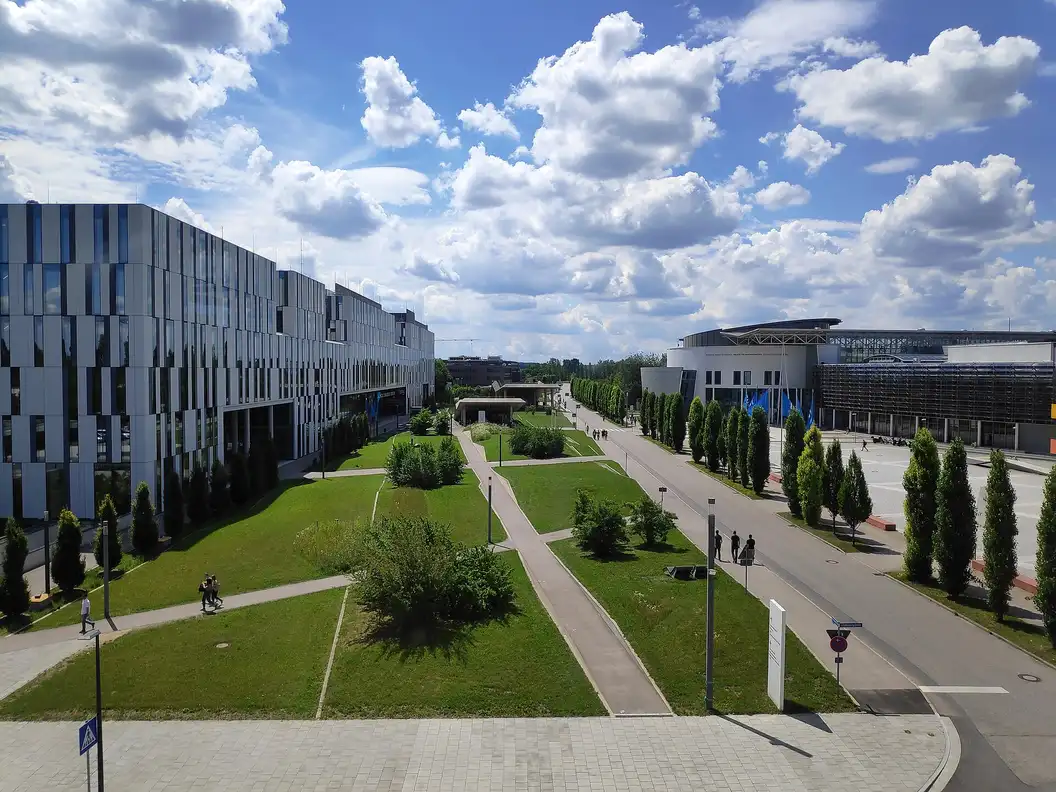
TUM houses Germany’s largest computer science department, with particular research depth in AI, robotics, and cybersecurity, backed by direct ties to the tech and engineering companies clustered around Munich. It’s a regular name on lists of top universities for computer science in Europe.
The English-taught BSc in Information Engineering is one of the few fully English-taught degrees in Germany available at this level, and it runs at TUM’s Heilbronn campus in Baden-Württemberg, a satellite site roughly an hour from Stuttgart. Heilbronn is a smaller city environment, separate from TUM’s main Munich campus. The degree is awarded as an engineering qualification. TUM has reinstated tuition fees for non-EU students in recent years.
- QS Computer Science Ranking (2026): #26
- Tuition Fee (EU/EEA): €0/year (administrative fee ~€85/semester)
- Tuition Fee (Non-EU): €4,000–€6,000/year
- English Programs:
- BSc Information Engineering (Heilbronn campus)
9. Institut Polytechnique de Paris (IP Paris) | France

Formed by uniting six of France’s top engineering schools, IP Paris is consistently named among some of the best computer science universities in Europe for its research output and career pipeline into quantitative finance and deep-tech roles.
The English-taught Bachelor of Science runs on the Palaiseau campus just outside Paris and allows students to pursue double majors, including Mathematics & Computer Science. Admission is highly selective and expects exceptional mathematical proficiency from high school applicants.
- QS Computer Science Ranking (2026): #56
- Tuition Fee (EU/EEA): €15,750–€15,900/year
- Tuition Fee (Non-EU): €18,800–€19,200/year
- English Programs:
- Bachelor of Science (Mathematics & Computer Science double major option)
10. KTH Royal Institute of Technology | Sweden

Stockholm’s tech scene puts KTH students within easy reach of companies like Ericsson, Spotify, and Klarna, one of the clearer advantages for anyone comparing top universities in Europe for computer science by career access rather than rankings alone. Like most Swedish technical universities, KTH teaches the majority of its undergraduate programs in Swedish.
Its English-taught option is a single flagship program built specifically for international students: the BSc in Information and Communication Technology, based at KTH’s main campus in central Stockholm.
- QS Computer Science Ranking (2026): #61
- Tuition Fee (EU/EEA): €0/year
- Tuition Fee (Non-EU): ~€12,500/year (141,000 SEK)
- English Programs:
- BSc Information and Communication Technology (main campus)
Why Study Computer Science in Europe
Europe offers a fast, affordable route into the field compared to many major study-abroad destinations. The Bologna Process structures most bachelor’s degrees around 180 or 240 ECTS credits, typically three or four years depending on the country and program; the UK follows a similar three-year model, so the more consistent edge shows up in tuition, where the continent’s already lower fee structures cut costs well before duration even factors in. That combination often makes a European computer science degree meaningfully cheaper than its US equivalent for the same outcome.
Post-study work options round out the picture, and here again Europe rewards students who look past the headline pathway. Most of the continent participates in the EU Blue Card, a residence and work permit built for graduates who’ve already secured a job that matches their training and pays at the level the host country expects of skilled roles. Denmark and Ireland went their own way instead, each running a national program built around its own labor market rather than the EU-wide version. Layered on top, individual countries add their own bridges: an orientation year with full work rights in one, an extra stretch of time to job-hunt in another. Taken together, it’s less a single European rulebook than a set of national doors, each opening a little differently depending on where a student studies.
How to Apply to a CS Program in Europe as an International Student
Once a student and family have settled on a computer science program in Europe, the application process follows a fairly consistent sequence across countries.
- Secure transcripts and translations. Every program requires secondary school records. Non-English transcripts need certified translation, arranged well ahead of the deadline.
- Confirm English proficiency requirements and register for testing. Certified scores are required in most cases, including for native English speakers from certain countries. Test dates fill up in advance.
- Determine the admission format. Some programs admit on transcripts alone. Capped programs often add a mathematics and logic assessment as part of the process.
- Confirm deadlines by country. Windows generally fall between January and April for a September start. The exact date, along with any distinction between EU and non-EU applicants, is confirmed program by program.
Speak with a consultant about European university admissions to build a coordinated timeline across every program under consideration.
Start the Admissions Planning
Choosing between European universities for computer science means choosing between different testing calendars, different admissions requirements, and different post-study work frameworks, and a mistake at that stage can set an application back an entire admissions cycle.
McMillan Education International’s consulenti per l'ammissione all'università have guided families through exactly this kind of decision for decades.
Prenota una consulenza gratuita and build the admissions plan now.
Domande frequenti
1. Can you study computer science in Europe in English?
Yes. A limited number of European universities, concentrated in the Netherlands, Ireland, and parts of Scandinavia, offer computer science bachelor’s degrees taught entirely in English from the first semester through graduation. English instruction is more widespread at the master’s level than at the bachelor’s level.
2. How much does it cost to study computer science in Europe?
Costs depend on country and on EU versus non-EU status. EU/EEA students generally pay statutory fees in the low thousands of euros per year, and in some countries nothing at all. Non-EU students pay higher institutional rates, typically between roughly €1,000 and €20,000 per year depending on the country and university. Both ranges sit well below comparable computer science programs in the US or UK.
3. Do you need to speak the local language to study computer science in Europe?
No, at universities offering English-taught computer science degrees, classroom instruction requires no local language ability. Daily life outside the university runs more smoothly with some local language skills, and several countries tie post-study work or residency benefits to language proficiency over time.
4. What are the entry requirements for computer science programs in Europe?
Most computer science programs in Europe require secondary school transcripts, proof of English proficiency, and in some cases standardized test scores or a program-specific entrance exam. Competitive programs with capped enrollment often add a mathematics and logic assessment on top of academic records.
5. Do European computer science degrees transfer to the US or UK job market?
Degrees don’t transfer through any formal process. Employers evaluate a candidate’s education, skills, and experience directly. A computer science degree from a well-regarded European university carries the same weight as an equivalent domestic degree in most technical hiring, where coding ability and project experience drive the decision more than the university’s location.
6. Is computer science still worth studying with AI reshaping the job market?
Yes. Demand for computer science graduates has held steady even as AI reshapes entry-level hiring in other fields, because the discipline builds the tools driving that shift. Software, systems, and AI development apply broadly across finance, healthcare, manufacturing, and government, keeping the degree relevant across a wide range of career paths.