
Liberal arts and sciences education is an American academic model that spans three domains equally: the humanities, the social sciences, and the natural sciences. Rather than requiring students to declare a major at entry, it builds in a period of broad exploration before concentration, and the benefits of liberal arts and sciences education follow directly from that design: graduates develop the ability to think across disciplines, argue rigorously, and adapt to problems that don’t fit neatly into a single field.
This article maps the established liberal arts and sciences universities in Europe that teach in English, have adopted the American model in full or in part, and discusses the key characteristics and considerations for international students at each.
Liberal Arts and Sciences Universities in Europe
The classic definition of liberal arts and sciences education requires a curriculum spanning all three domains equally: humanities, social sciences, and natural sciences. Two institutional models in Europe meet this standard: the Dutch University College system, which has built the most developed LAS ecosystem on the continent, and a small number of independent institutions operating outside the Netherlands.
1. The Dutch University College Model
The Netherlands has built the most developed liberal arts and sciences ecosystem in Europe. Beginning with University College Utrecht in 1998, Dutch research universities began establishing small, autonomous honors colleges modeled on the American liberal arts tradition, each with its own campus, faculty, and dedicated dean, while awarding degrees through the parent research university. The country now hosts over a dozen such honors colleges, but seven specifically meet the strict definition of liberal arts and sciences education: they teach entirely in English, and offer curricula spanning all three domains.
Amsterdam University College (AUC)
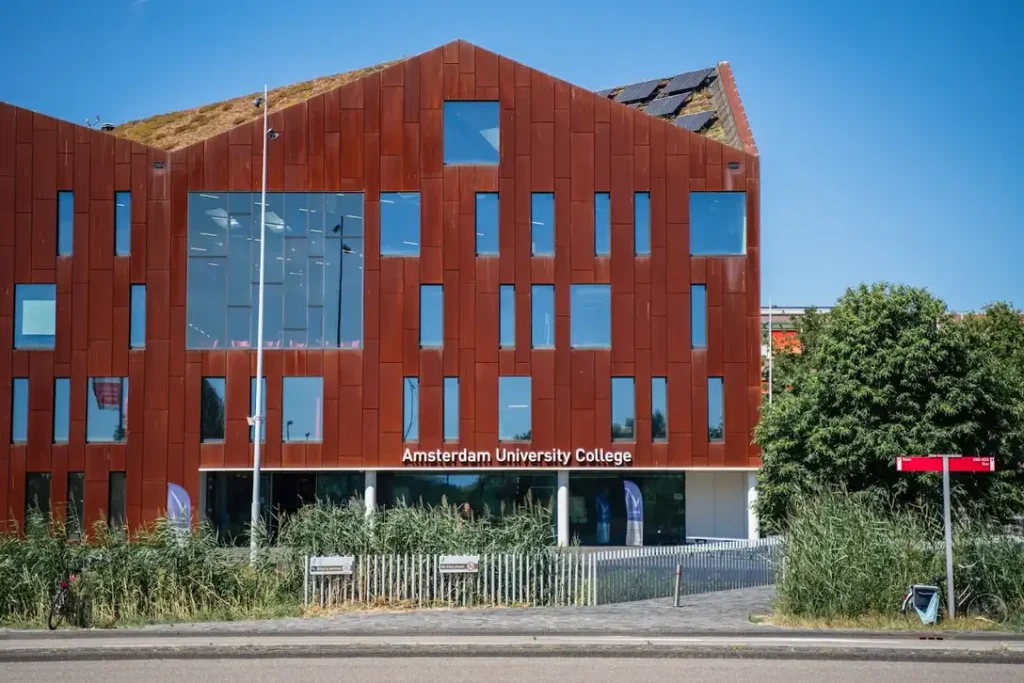
Amsterdam University College awards its degree jointly through the University of Amsterdam and Vrije Universiteit Amsterdam, the only institution in the Netherlands with this dual-university structure. Sciences account for roughly half of all student majors, reflecting a curriculum in which the natural sciences carry equal structural weight to the humanities and social sciences.
- Duration: 3 years
- Intake: ~300 students/year
- Science tracks: Biology, Chemistry, Physics, Neuroscience, Mathematics
- Tuition (EU): ~€5,580/year
- Tuition (non-EU): ~€14,000/year
University College Utrecht (UCU)
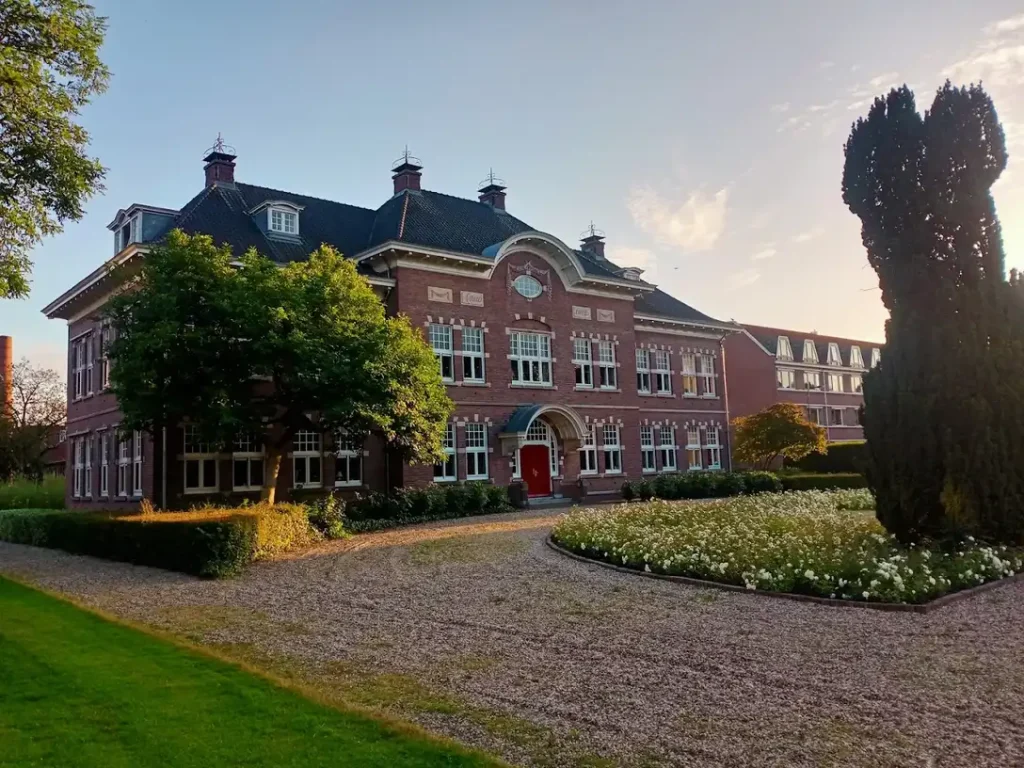
University College Utrecht is the oldest liberal arts and sciences college in the Netherlands, founded in 1998 as the first institution to introduce the American honors college model to Dutch higher education. Students design individualized degree plans across all three domains and are required to live on campus for the full three years, making it the most residentially immersive of the Dutch university colleges.
- Duration: 3 years
- Intake: ~250 students/year
- Science tracks: Pre-Med, Cognitive Neuroscience, Earth & Environment, Physics, Mathematics
- Tuition (EU): ~€5,000 – €5,300/year
- Tuition (non-EU): ~€15,500/year
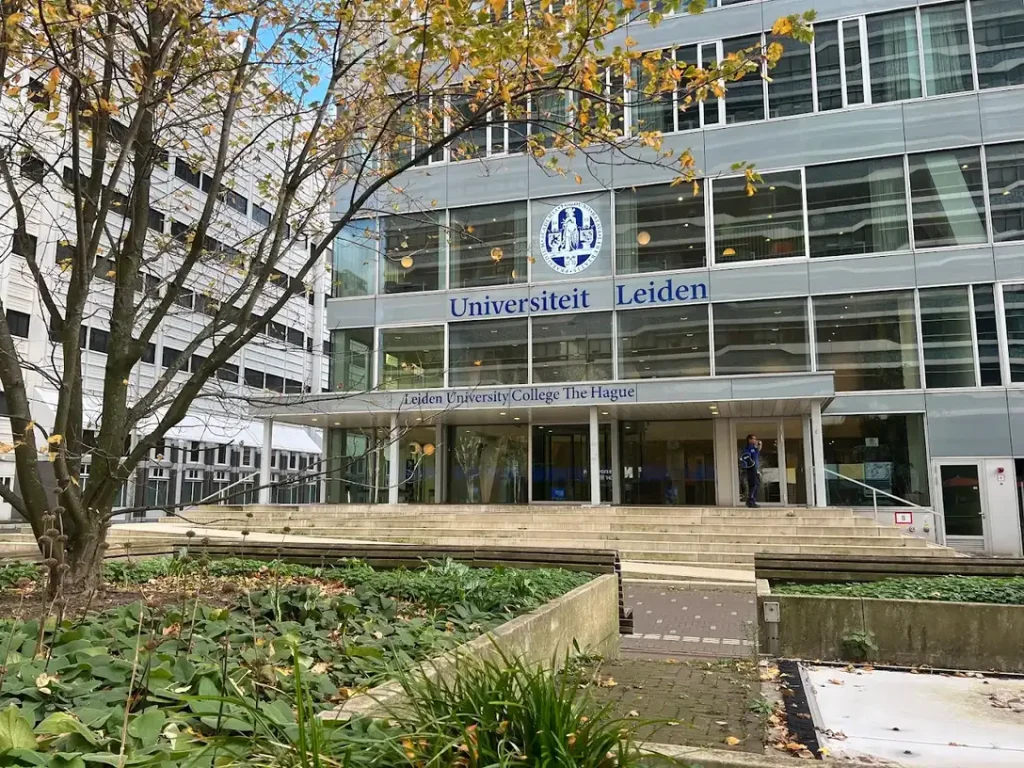
Leiden University College structures its entire curriculum around four global challenges: Peace and Justice, Sustainability, Prosperity, and Diversity, rather than traditional academic disciplines. Students declare thematic majors that integrate natural sciences directly with policy and international law, a curricular design that treats global problems as the organizing framework for interdisciplinary study.
- Duration: 3 years
- Intake: ~200 students/year
- Science tracks: Earth, Energy & Sustainability, Global Public Health
- Tuition (EU): ~€5,684/year
- Tuition (non-EU): ~€20,560/year
University College Maastricht (UCM)
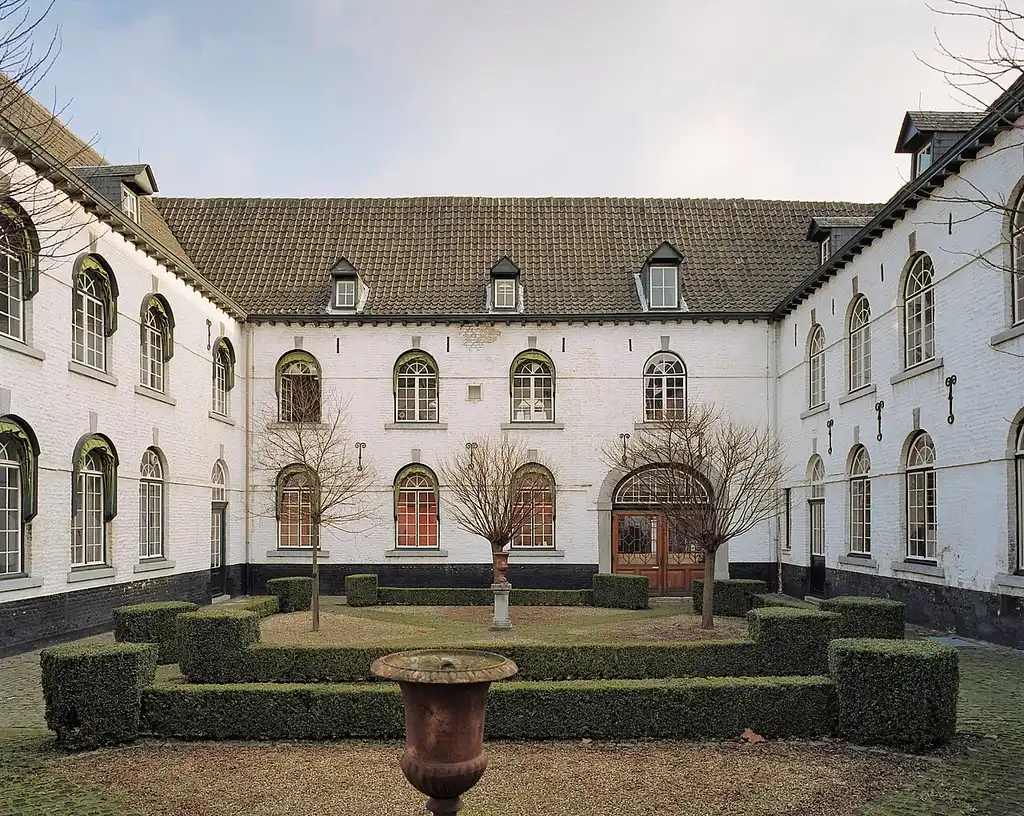
University College Maastricht delivers its entire curriculum through Problem-Based Learning, a methodology in which students direct their own education through peer-led tutorial groups rather than traditional lectures. As a liberal arts and sciences institution, the course catalog is structured to allow students to construct degrees across all three domains with minimal mandatory requirements, giving the program one of the most open curricular frameworks in the Dutch university college system.
- Duration: 3 years
- Intake: ~250 students/year
- Science tracks: Biology, Chemistry, Physics, Neuroscience, Computer Science
- Tuition (EU): ~€4,000/year
- Tuition (non-EU): ~€14,500/year
Erasmus University College (EUC)
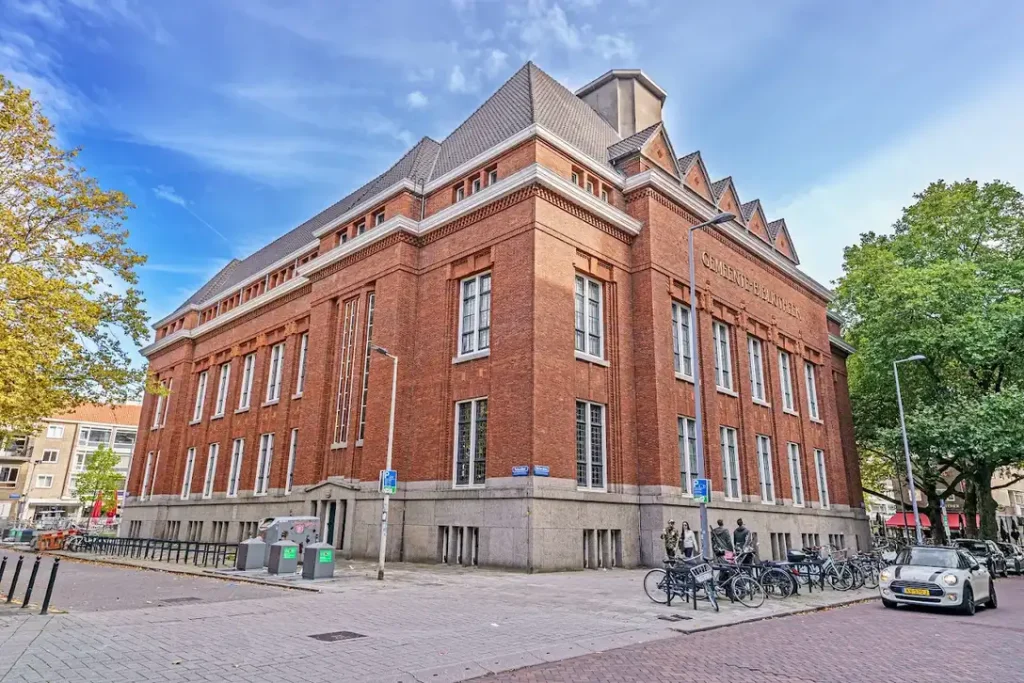
Erasmus University College awards a Bachelor of Science rather than a Bachelor of Arts, a degree designation that reflects the institution’s structurally science-weighted liberal arts and sciences curriculum. Its life sciences track operates in direct coordination with the Erasmus Medical Center, embedding pre-med students within one of Europe’s leading academic medical research environments as part of their undergraduate program.
- Duration: 3 years
- Intake: ~250 students/year
- Science tracks: Life Sciences (Pre-Med), Neuroscience, Molecular & Cellular Biology
- Tuition (EU): ~€4,900/year
- Tuition (non-EU): ~€16,000/year
University College Groningen (UCG)
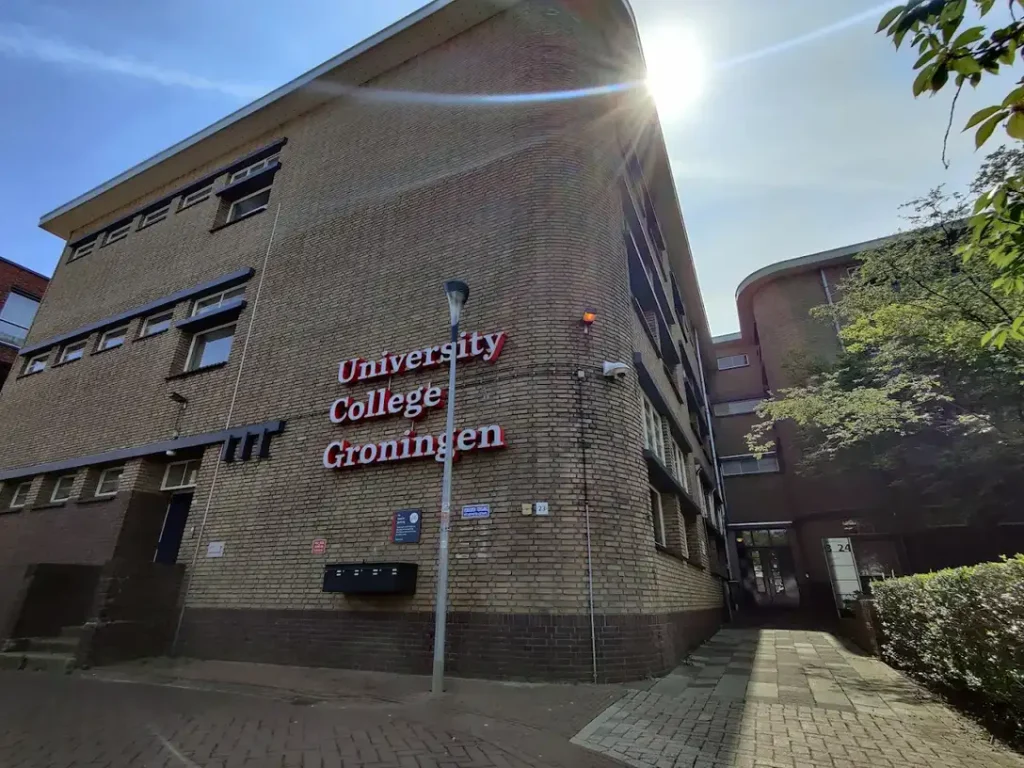
University College Groningen is a liberal arts and sciences college that structures its curriculum around project-based learning, requiring students to apply quantitative research methods across disciplines in collaborative final projects. The natural sciences offerings are integrated with behavioral sciences throughout the program, reflecting a curriculum design that treats cross-domain synthesis as a core academic competency.
- Duration: 3 years
- Intake: ~150 students/year
- Science tracks: Health & Life Sciences, Physics of Energy, Cognition & Behavior
- Tuition (EU): ~€5,000 – €5,300/year
- Tuition (non-EU): ~€16,500/year
University College Roosevelt (UCR)
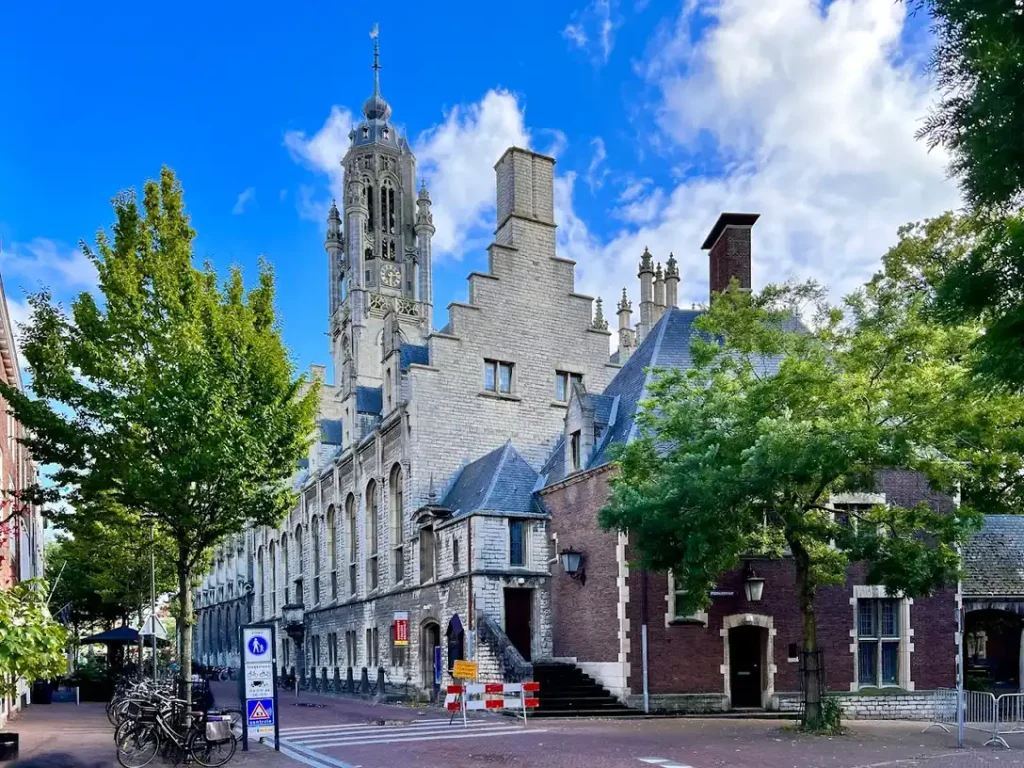
University College Roosevelt awards its degree through Utrecht University while operating with significant academic autonomy in Middelburg, one of the smallest university cities in the Netherlands. The institution guarantees seminar-style classes across a framework that requires students to pursue rigorous cross-disciplinary combinations in both the sciences and humanities, with some of the smallest class sizes in the Dutch university college system.
- Duration: 3 years
- Intake: ~150 students/year
- Science tracks: Biology, Chemistry, Physics, Cognitive Science, Pre-Med
- Tuition (EU): ~€4,845 – €5,105/year
- Tuition (non-EU): ~€11,460 – €12,045/year
2. Independent LAS Institutions in Europe
Outside the Dutch ecosystem, a small number of independent institutions meet the definition of liberal arts and sciences education. Each arrived at the model through different institutional origins and national contexts, but all maintain the curriculum structure and academic breadth that define the model in its original American form.
University College Freiburg (UCF)
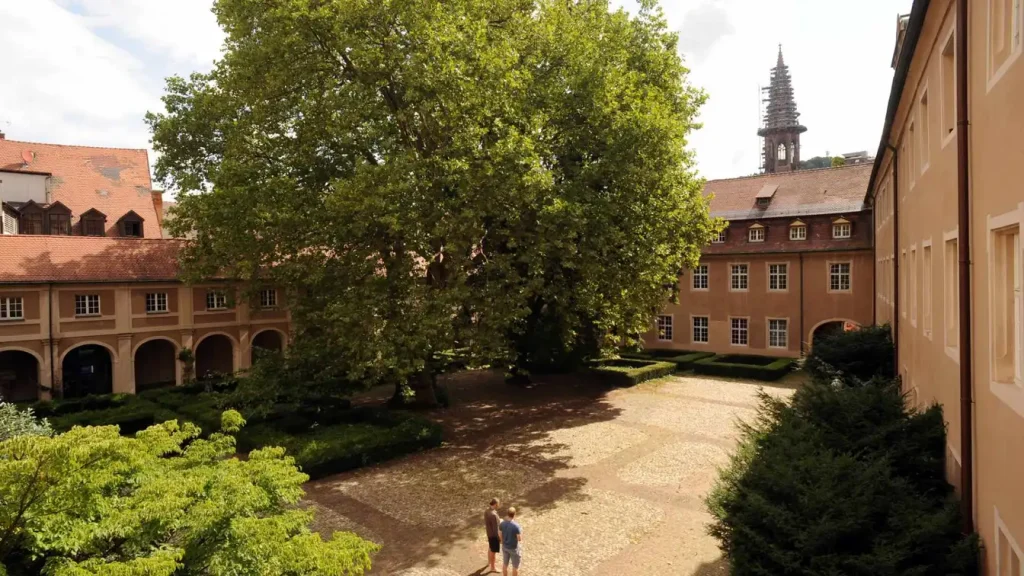
University College Freiburg is one of the few liberal arts and sciences universities in Germany that teach in English, operating as an autonomous interfaculty platform within the University of Freiburg, one of Germany’s oldest public research universities. The four-year curriculum opens with a structured interdisciplinary core before students concentrate in one of four tracks: Life Sciences, Environmental and Sustainability Sciences, Governance, or Culture and History.
- Duration: 4 years
- Intake: ~80 students/year
- Science tracks: Life Sciences, Environmental & Sustainability Sciences
- Tuition (EU): €0 (Plus ~€320/year administrative fees)
- Tuition (non-EU): ~€3,000/year
Franklin University Switzerland
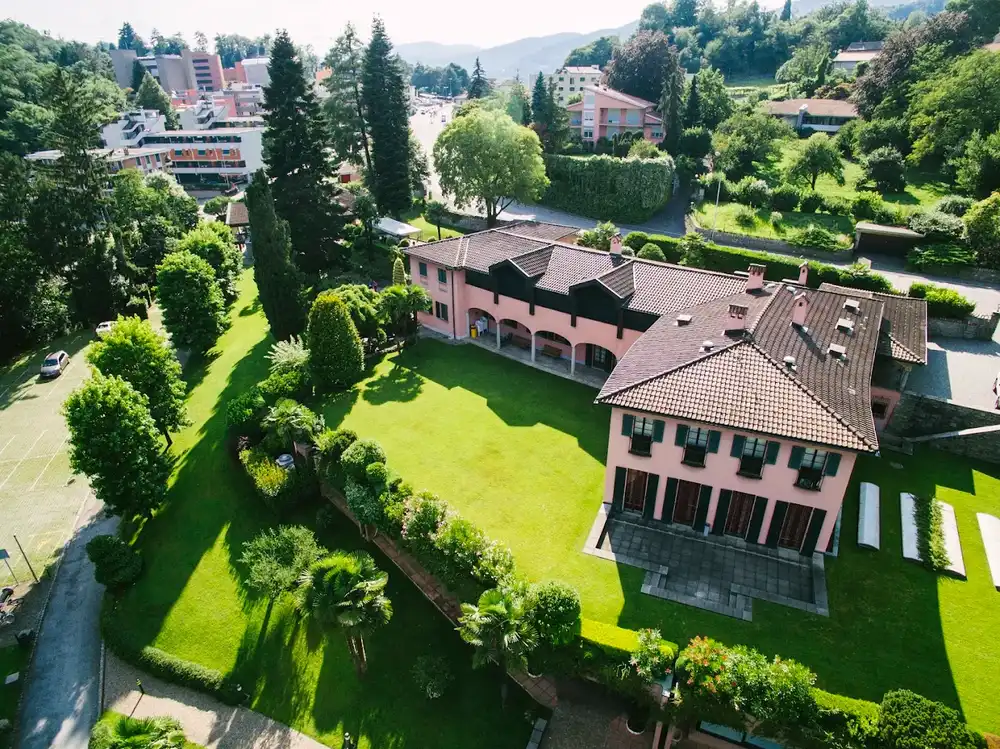
Franklin University Switzerland is a liberal arts university and one of the few English-speaking universities in Switzerland, holding dual US MSCHE and Swiss AAQ accreditation. The curriculum incorporates mandatory credit-bearing academic travel every semester and offers dedicated Bachelor of Science tracks in Health Sciences and Environmental Sciences for students pursuing pre-med or biomedical research pathways.
- Duration: 4 years
- Intake: ~100 students/year
- Science tracks: Health Sciences (Pre-Med), Environmental Sciences
- Tuition (EU): ~€28,100/year
- Tuition (non-EU): ~€45,800/year
American University in Bulgaria (AUBG)
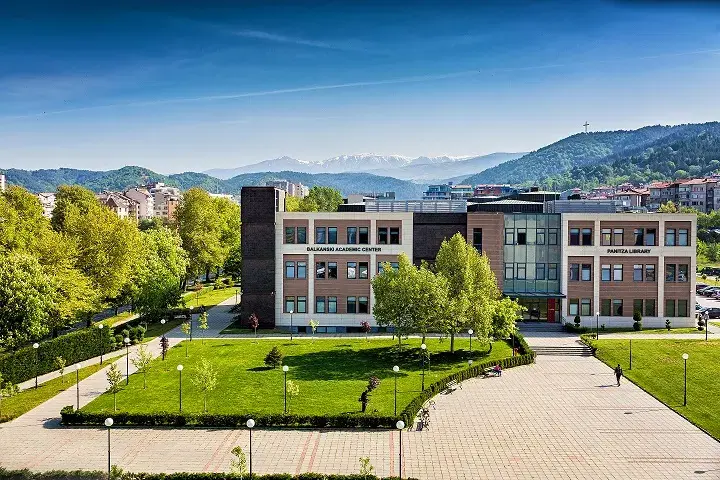
The American University in Bulgaria holds dual accreditation from NECHE in the United States and the Bulgarian national accreditation authority, operating a fully residential campus in Blagoevgrad. Students can combine majors and minors across disciplines with significant flexibility, and the institution sustains physical science and quantitative programs, including a full Physics major, that are rare among American-style liberal arts universities outside the United States.
- Duration: 4 years
- Intake: ~250 students/year
- Science tracks: Physics, Computer Science, Mathematics
- Tuition (EU): ~€13,800/year
- Tuition (non-EU): ~€13,800/year
Liberal Arts Universities in Europe: Humanities and Social Sciences
European universities also offer a second form of liberal arts education: institutions that follow the model in curriculum structure and pedagogy but do not offer natural science majors. For students oriented toward humanities, social sciences, international relations, or political science, these represent some of the strongest liberal arts programs available in Europe.
1. American-Accredited Institutions
Among the liberal arts universities in Europe without natural sciences, the American-accredited institutions are the most structurally similar to a US college. Founded by Americans and operating permanently in European cities, they follow the four-year American degree model, awarding a credential equivalent to a degree earned at a US institution, and hold US regional accreditation recognized by American graduate schools.
American University of Paris (AUP)
The American University of Paris is a liberal arts university operating entirely in English, holding continuous MSCHE accreditation since 1973 and standing as the longest-accredited American institution in Europe. The curriculum follows the US credit framework and delivers a liberal arts education organized around international relations, global communications, and cross-cultural studies within the humanistic tradition.
- Duration: 4 years
- Intake: ~300 students/year
- Science tracks: None
- Tuition (EU): ~€36,000/year
- Tuition (non-EU): ~€36,000/year
John Cabot University (JCU)

John Cabot University is a liberal arts university and one of the English-speaking universities in Europe operating a permanent campus in Rome, holding a Delaware license and continuous MSCHE accreditation. The curriculum prioritizes art history, classical studies, and international affairs, incorporating the city’s archaeological and cultural resources directly into coursework.
- Duration: 4 years
- Intake: ~350 students/year
- Science tracks: None
- Tuition (EU): ~€20,800/year
- Tuition (non-EU): ~€20,800/year
American University of Rome (AUR)
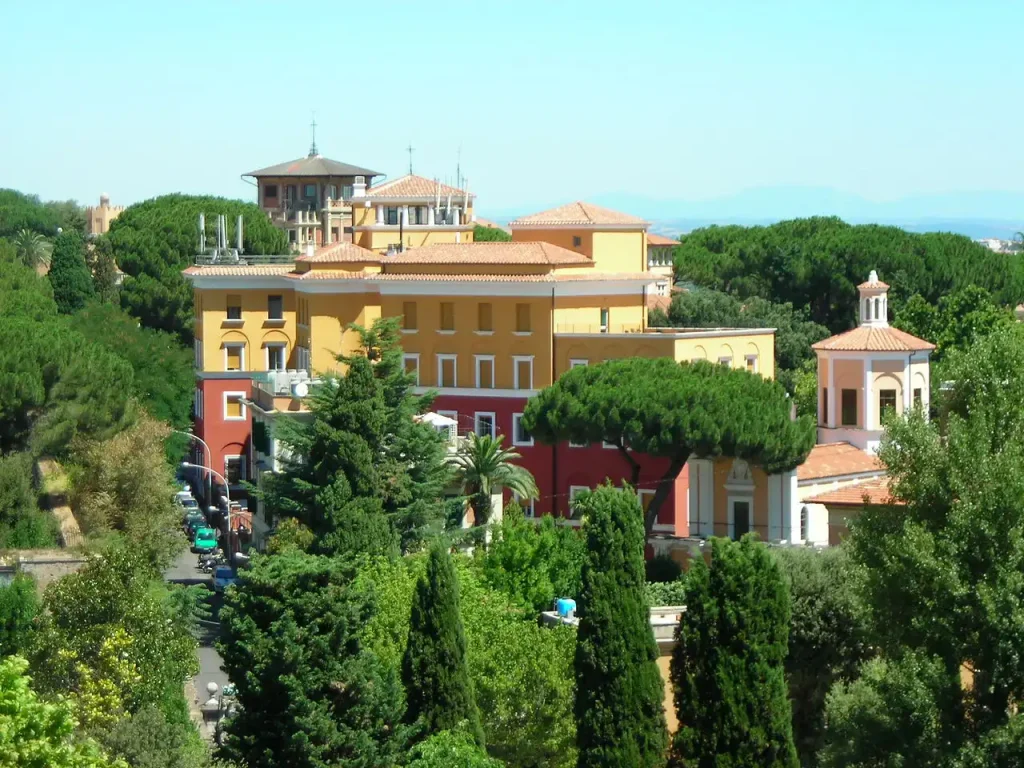
The American University of Rome has held MSCHE accreditation since 1969, making it one of the oldest continuously accredited American institutions in Europe. The curriculum offers specialized tracks in archaeology, Mediterranean politics, and visual and performing arts, requiring students to complete a structured set of general education requirements before declaring a major.
- Duration: 4 years
- Intake: ~300 students/year
- Science tracks: None
- Tuition (EU): ~€22,700/year
- Tuition (non-EU): ~€22,700/year
Richmond American University London
Richmond American University London is a liberal arts university bridging the traditions of both the US and UK education systems, holding MSCHE accreditation and UK Taught Degree Awarding Powers simultaneously. Students graduate with a dual US and UK degree through a four-year structure that requires a broad interdisciplinary foundation before specialization, bypassing the direct-entry model that characterizes standard three-year UK undergraduate degrees.
- Duration: 4 years
- Intake: ~300 students/year
- Science tracks: None
- Tuition (EU): ~€18,000/year
- Tuition (non-EU): ~€18,000/year
2. European Independent Colleges
Like the American-accredited institutions above, these colleges follow the liberal arts model without natural sciences: their curricula are centered on humanities and social sciences. Founded by Europeans or European-American partnerships, they developed the liberal arts curriculum within their own national and regional contexts.
Bard College Berlin
Bard College Berlin is a liberal arts university functioning as an independent German institution, making it a relevant option for international students considering studying in Germany within an English-taught environment. Accredited by German authorities with a Bard College Annandale affiliation, graduates receive both a German and an American BA through a curriculum anchored in intellectual history and philosophy, with seminar classes averaging eleven students.
- Duration: 4 years
- Intake: ~80 students/year
- Science tracks: None
- Tuition (EU): ~€31,000/year
- Tuition (non-EU): ~€31,000/year
Central European University (CEU)
Central European University offers three undergraduate programs, Culture, Politics and Society; Philosophy, Politics and Economics; and Data Science and Society, all taught within an interdisciplinary framework by faculty drawn primarily from its graduate research divisions. Students can complete either a three-year Austrian-accredited degree or a four-year degree carrying both Austrian and US MSCHE accreditation.
- Duration: 3 years (Austrian BA) or 4 years (US and Austrian BA)
- Intake: ~150 students/year
- Science tracks: None
- Tuition (EU): €8,000/year
- Tuition (non-EU): €8,000/year
Bratislava International School of Liberal Arts (BISLA)
The Bratislava International School of Liberal Arts maintains an intentionally small academic cohort focused entirely on political science and international relations. The pedagogy relies strictly on Socratic seminars rather than traditional lectures, with classes capped at twelve students – a structure that reflects the classical liberal arts emphasis on rigorous debate and close textual analysis.
- Duration: 3 years
- Intake: ~30 students/year
- Science tracks: None
- Tuition (EU): €2,200/year
- Tuition (non-EU): €8,500/year
LCC International University
LCC International University operates a North American liberal arts curriculum in Lithuania, offering six bachelor’s programs across social sciences, humanities, business, and theology within a flexible credit system. Families should note that LCC is a Christian liberal arts institution, with a faith-based mission embedded in the curriculum alongside its academic framework.
- Duration: 4 years
- Intake: ~200 students/year
- Science tracks: None
- Tuition (EU): ~€4,500/year
- Tuition (non-EU): ~€4,500/year
Still Deciding? Here Is What to Consider
If you are evaluating liberal arts universities in Europe for your student, our consultants recommend working through these questions before finalizing a list:
- Sciences or no sciences. If natural sciences are part of the academic plan, whether for pre-med pathways leading to medical schools, biology, physics, or simply keeping options open, the choice narrows significantly. The institutions in the humanities and social sciences section are strong programs, but they do not offer that pathway.
- Three years or four. The Dutch university colleges award degrees in three years. American-accredited institutions and most European independent colleges run four. For families comparing cost and timeline, that difference is meaningful.
- US accreditation. Families considering American graduate school after a European undergraduate degree should verify accreditation status before applying. Institutions with US regional accreditation produce credentials recognized directly by US graduate programs.
- Tuition range. The range across these institutions is significant, from under a few thousand euros per year at some public university programs to over forty thousand at private American-accredited institutions. Cost and financial aid availability vary considerably and warrant direct inquiry with each institution.
If you want guidance on these decisions, McMillan Education International’s university consultants are based in Europe and have experience placing students from more than 65 countries across international university systems. If you are ready to discuss your options, prendre rendez-vous pour une consultation gratuite.
Questions fréquemment posées
1. What does it mean for a university to be liberal arts?
A liberal arts university is one that offers a curriculum spanning multiple academic disciplines, the humanities, the social sciences, and, in many cases the natural sciences, rather than requiring students to specialize in a single field from entry. The term derives from the Latin artes liberales and refers to the broad academic formation that has historically been considered the foundation of higher education. In practice, it means students take courses across disciplines before declaring a major, typically in their second year.
2. Is liberal arts the same as humanities?
No. Liberal arts is frequently misread as synonymous with the humanities, but the full model spans three domains equally: humanities, social sciences, and natural sciences. Institutions that offer only humanities and social sciences are following a partial version of the model.
3. Are there liberal arts colleges outside the US?
Yes. The model has taken root most substantially in Europe, particularly in the Netherlands, where seven dedicated liberal arts and sciences colleges operate as part of major research universities. Independent institutions exist across Germany, Switzerland, France, Italy, Austria, Bulgaria, Slovakia, Lithuania, and the United Kingdom.
4. Do liberal arts universities in Europe offer science degrees?
Some do, some do not. Institutions following the full liberal arts and sciences model, including the Dutch university colleges and a small number of independent institutions, offer majors in biology, chemistry, physics, and related fields. Institutions in the humanities and social sciences tradition do not. This article distinguishes between the two groups throughout.
5. Which country is best to study liberal arts?
The Netherlands offers the most developed liberal arts and sciences infrastructure in Europe, with seven dedicated colleges and curricula spanning the humanities, social sciences, and natural sciences. For students oriented toward humanities and social sciences, France, Italy, Germany, and the United Kingdom each have strong options depending on the institutional model and degree structure the student is looking for.
6. Is it cheaper for an American to go to college in Europe?
In most cases, yes. Tuition at European liberal arts institutions ranges from under €3,000 per year at public university programs to approximately €45,000 at the most expensive private American-accredited institutions. The Dutch university colleges, in particular, charge significantly less than comparable US institutions for both EU and non-EU students, and several Eastern European institutions offer US-accredited degrees at a fraction of the cost of attending a US college.